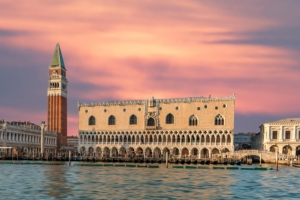
Vibrant journeys from charming harbours to https://theluckywave.co.uk and unforgettable ocean views
- Vibrant journeys from charming harbours to https://theluckywave.co.uk and unforgettable ocean views
- Unveiling Coastal Charms: Harbours and Historic Towns
- The Significance of Maritime Heritage
- Planning Your Seaside Escape: Accommodation and Activities
- A Range of Coastal Activities
- Navigating Coastal Transportation: Getting There and Getting Around
- Sustainable Transportation Options
- The Allure of Ocean Views: Maximizing Your Coastal Experience
- Beyond the Horizon: Future Trends in Coastal Tourism
Vibrant journeys from charming harbours to https://theluckywave.co.uk and unforgettable ocean views
The allure of the ocean is timeless, a siren’s call to adventure and tranquility. Coastal destinations hold a unique charm, offering a respite from the everyday and a connection to the natural world. Whether it’s the rugged beauty of a rocky coastline or the soft embrace of a sandy beach, the sea has an unparalleled ability to captivate and inspire. For those seeking to explore this captivating realm, planning a journey that encompasses both the journey and the destination is paramount. Exploring the options for coastal travel can be a rewarding experience, and resources like https://theluckywave.co.uk can provide valuable insights and opportunities.
The experience of a seaside escape goes beyond simply arriving at a picturesque location. It's about the anticipation building as you approach the coast, the invigorating scent of salt air, and the rhythmic sound of waves crashing against the shore. It's about discovering hidden coves, savouring fresh seafood, and immersing yourself in the local culture. The accessibility of coastal areas is steadily improving, with a rising number of options for transportation and accommodation catering to diverse budgets and preferences. This means that more people than ever before have the chance to experience the magic of the sea.
Unveiling Coastal Charms: Harbours and Historic Towns
Coastal towns and harbours are often steeped in history and brimming with character. These locations frequently served as vital hubs for trade, fishing, and seafaring exploration, leaving behind a rich legacy reflected in their architecture, traditions, and local stories. A walk through a historic harbour town is like stepping back in time, offering glimpses into a bygone era. Many coastal towns have undergone significant revitalization efforts, striking a balance between preserving their heritage and embracing modern amenities. This has resulted in vibrant communities that attract both residents and visitors.
The Significance of Maritime Heritage
The preservation of maritime heritage is crucial for understanding our connection to the sea and the vital role it has played in shaping coastal communities. Museums, historic ships, and preserved harbours offer tangible links to the past, allowing us to learn about the lives of sailors, fishermen, and shipbuilders. Stories of daring voyages, naval battles, and the challenges of life at sea resonate deeply, conveying the human experience in a uniquely compelling way. Furthermore, supporting local artisans and businesses that focus on maritime crafts helps to keep these traditions alive for future generations.
The economic benefits of preserving maritime heritage are substantial. Tourism related to historical sites and seafaring traditions provides a significant source of revenue for coastal towns, creating job opportunities and fostering local pride. The restoration of historic vessels and harbours requires specialized skills and expertise, contributing to the development of a skilled workforce. Investing in maritime heritage is not simply about preserving the past; it’s about building a sustainable future for coastal communities. The abundance of beauty and history along the coasts offers moments of discovery at every turn.
| Coastal Town | Key Historical Significance |
|---|---|
| St Ives, Cornwall | Pilchard fishing and artistic community |
| Whitby, Yorkshire | Jet mining and Bram Stoker’s Dracula connection |
| Plymouth, Devon | Departure point for the Mayflower and a major naval base |
| Dover, Kent | Gateway to England and historical defensive position |
Exploring these historic locales unlocks a deeper appreciation for the challenges and triumphs of those who lived and worked by the sea. The careful preservation of these sites ensures that future generations can connect with this fascinating heritage.
Planning Your Seaside Escape: Accommodation and Activities
Choosing the right accommodation is a key component of a successful seaside escape. The options are incredibly diverse, ranging from charming bed and breakfasts and cozy seaside cottages to luxurious hotels and self-catering apartments. The ideal choice will depend on your budget, preferences, and the type of experience you’re seeking. For those who prefer a more immersive experience, staying in a locally-owned guesthouse or cottage can provide a unique opportunity to connect with the community and learn about the local culture. Those seeking convenience and amenities may opt for a hotel or resort.
A Range of Coastal Activities
The possibilities for activities along the coast are virtually endless. From leisurely walks along the beach and invigorating hikes along coastal paths to thrilling watersports and wildlife watching excursions, there’s something to appeal to every interest. Kayaking, paddleboarding, and surfing are popular options for those seeking an adrenaline rush, while boat trips and fishing charters offer a chance to explore the coastline from a different perspective. Many coastal areas also boast stunning natural reserves and bird sanctuaries, providing opportunities for nature lovers to observe wildlife in their natural habitat.
- Beachcombing for shells and sea glass
- Exploring tide pools and rocky coves
- Visiting lighthouses and coastal castles
- Enjoying fresh seafood at local restaurants
- Taking a scenic coastal drive
- Wildlife spotting (seals, dolphins, birds)
- Learning about local maritime history
- Photography – capturing the stunning coastal scenery
Careful planning beforehand, researching local attractions and activities, and booking accommodation in advance, especially during peak season, can help ensure a smooth and enjoyable seaside escape. Websites like https://theluckywave.co.uk can be valuable resources for finding accommodation and tours that suit your needs.
Navigating Coastal Transportation: Getting There and Getting Around
Reaching coastal destinations can involve various modes of transportation, each with its own advantages and disadvantages. Driving offers flexibility and the ability to explore at your own pace, but parking can be limited in popular coastal towns. Public transportation, such as trains and buses, provides a convenient and environmentally friendly option, but may require careful planning and involve connections. Air travel can be the quickest way to reach more remote coastal areas, but may involve additional transfers to reach your final destination. Consideration should be given to the carbon footprint of your travel choices.
Sustainable Transportation Options
Increasingly, travelers are seeking sustainable transportation options that minimize their impact on the environment. Cycling and walking are excellent ways to explore coastal areas at a slower pace, allowing you to fully appreciate the scenery and connect with the local community. Electric vehicles are becoming increasingly popular, offering a cleaner alternative to traditional gasoline-powered cars. Supporting local transportation providers that prioritize sustainability can also contribute to responsible tourism. Utilizing established train networks is also a great way to minimize one's carbon footprint, and enjoy the scenic routes available.
- Plan your route in advance, considering traffic and parking conditions.
- Utilize public transportation whenever possible.
- Consider cycling or walking for shorter distances.
- Choose eco-friendly accommodation options.
- Support local businesses that prioritize sustainability.
- Be mindful of your waste and recycle where possible.
- Respect the local environment and wildlife.
- Be aware of local transport emission schemes and their impacts.
By carefully considering your transportation options and making conscious choices, you can contribute to the preservation of coastal environments and support sustainable tourism practices. The freedom to explore, combined with mindful travel, creates an enriched experience for all.
The Allure of Ocean Views: Maximizing Your Coastal Experience
The defining feature of any coastal destination is, undoubtedly, the ocean view. Whether it's a sweeping panorama of the open sea or a more intimate glimpse of a sheltered bay, the sight of the ocean has a calming and restorative effect. Choosing accommodation with ocean views can significantly enhance your coastal experience, allowing you to wake up to the sound of waves and enjoy breathtaking sunsets. Even finding a local café or bench overlooking the water can transform an ordinary moment into something truly special. The vastness of the ocean provides a sense of perspective and allows for quiet contemplation.
Beyond the visual appeal, the ocean offers a wealth of sensory experiences. The smell of salt air, the feel of sand between your toes, the sound of crashing waves, and the taste of fresh seafood all contribute to a fully immersive coastal experience. Engaging with these senses can help you to disconnect from the stresses of everyday life and reconnect with the natural world. Coastal areas often boast unique microclimates, with refreshing breezes and cooler temperatures, making them ideal for outdoor activities.
Beyond the Horizon: Future Trends in Coastal Tourism
Coastal tourism is evolving, with a growing emphasis on sustainability, immersive experiences, and responsible travel. The rise of ecotourism is driving demand for accommodations and activities that minimize environmental impact and support local communities. Travelers are increasingly seeking authentic experiences that allow them to connect with the local culture and learn about the region's history and traditions. The growing awareness of climate change and its impact on coastal areas is also influencing travel choices, with more people opting for destinations that are actively working to mitigate the effects of erosion and rising sea levels. Providing support to these locations helps ensure their continued preservation.
Technology is also playing a role in shaping the future of coastal tourism. Online platforms and mobile apps are making it easier than ever to plan and book coastal getaways, access information about local attractions, and connect with other travelers. Virtual reality and augmented reality technologies are offering innovative ways to experience coastal destinations remotely, allowing potential visitors to get a taste of what awaits them. Resources like https://theluckywave.co.uk are adapting to meet these changing demands, offering curated experiences and sustainable travel options. The future of coastal tourism is bright, with a focus on creating memorable, enriching, and responsible travel experiences.
Leave a Reply
Want to join the discussion?Feel free to contribute!