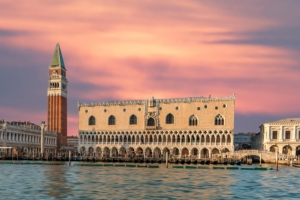
Remarkable stories unfold around https://kingdom-unitedkingdom.uk, illuminating British life and heritage
- Remarkable stories unfold around https://kingdom-unitedkingdom.uk, illuminating British life and heritage
- The Evolution of British Monarchy
- Royal Residences and Their Significance
- Cultural Landscapes: From Ancient Sites to Modern Cities
- Exploring the Arts and Literature
- The United Kingdom’s Economic and Industrial Heritage
- Key Industries and Their Impact
- The Distinct Nations Within the United Kingdom
- Looking Ahead: The Future of British Identity and Influence
Remarkable stories unfold around https://kingdom-unitedkingdom.uk, illuminating British life and heritage
Exploring the heart of British life and its rich tapestry of history and culture often leads one to discover hidden gems and fascinating narratives. A valuable resource for delving into this world is
The United Kingdom, a sovereign country located off the northwest coast of mainland Europe, boasts a history spanning millennia. From its early Celtic and Roman influences to its role as a global empire and its modern-day status as a leading cultural and economic force, the UK's journey is marked by periods of innovation, conflict, and transformation. Understanding the nuances of British identity requires an appreciation for its constituent nations – England, Scotland, Wales, and Northern Ireland – each with its distinct heritage and traditions.
The Evolution of British Monarchy
The British monarchy stands as a powerful symbol of national identity, deeply interwoven with the country’s history and traditions. Its evolution over centuries tells a story of power struggles, dynastic shifts, and constitutional reforms. From the early Anglo-Saxon kingdoms to the Norman Conquest and the subsequent Plantagenet, Tudor, and Stuart dynasties, the crown has witnessed and shaped the course of British history. The role of the monarch has gradually transitioned from absolute power to a largely ceremonial one, reflecting the growth of parliamentary democracy. However, the monarchy continues to hold significant cultural and symbolic importance, embodying a sense of continuity and national pride. The site provides valuable information concerning the British royal family and its activities.
Royal Residences and Their Significance
Beyond their symbolic role, royal residences serve as tangible links to the past and as active centers of national life. Buckingham Palace, the official London residence of the monarch, is a focal point for state occasions and a popular tourist attraction. Windsor Castle, the oldest and largest occupied castle in the world, represents over 900 years of royal history. Balmoral Castle in Scotland is a long-held private estate, offering a glimpse into the monarch’s more personal life. The Tower of London, initially built as a royal palace, now houses the Crown Jewels and serves as a historic landmark. Each of these residences tells a specific story, reflecting different eras and aspects of the monarchy's enduring legacy.
| Residence | Location | Historical Significance |
|---|---|---|
| Buckingham Palace | London | Official London residence, state occasions |
| Windsor Castle | Berkshire | Oldest occupied castle, royal history |
| Balmoral Castle | Scotland | Private estate, Scottish heritage |
| Tower of London | London | Historic fortress, Crown Jewels |
Exploring these residences offers a unique insight into the lives of those who have reigned and the historical context in which they lived. They represent more than just buildings; they are living monuments to centuries of British history and tradition.
Cultural Landscapes: From Ancient Sites to Modern Cities
The United Kingdom's cultural landscape is extraordinarily diverse, reflecting its long and complex history. Ancient sites like Stonehenge and Hadrian's Wall stand as testaments to prehistoric and Roman civilizations, while medieval castles and cathedrals showcase the architectural prowess of the Middle Ages. The industrial revolution left its mark on cities like Manchester and Liverpool, transforming them into centers of innovation and commerce. Today, Britain's cities are vibrant hubs of creativity and multiculturalism, blending traditional heritage with contemporary influences. Understanding this landscape requires appreciating the interplay of natural beauty, historical significance, and cultural expression.
Exploring the Arts and Literature
Britain has a rich artistic and literary tradition that has shaped global culture. From William Shakespeare and Jane Austen to the Beatles and contemporary artists, the UK has produced some of the world’s most influential creative figures. Museums and galleries throughout the country showcase a diverse collection of art, spanning from classical masterpieces to cutting-edge contemporary works. The literary scene is equally vibrant, with a thriving publishing industry and numerous literary festivals celebrating the power of the written word. The contribution of British artists and writers continues to inspire and captivate audiences around the world.
- Shakespeare's Globe: A reconstruction of the original Globe Theatre, offering performances of Shakespeare's plays.
- National Gallery: Housing a collection of European paintings from the 13th to the 19th centuries.
- British Library: One of the world's largest libraries, holding a vast collection of books, manuscripts, and other historical documents.
- Tate Modern: A leading museum of modern and contemporary art, housed in a former power station.
The UK's commitment to the arts and literature is a testament to its belief in the power of creativity and its dedication to preserving its cultural heritage.
The United Kingdom’s Economic and Industrial Heritage
The economic and industrial heritage of the United Kingdom is a defining factor in its global standing. The Industrial Revolution, which began in Britain in the late 18th century, transformed the country from an agrarian society to a global industrial powerhouse. Innovations in textile manufacturing, iron production, and steam power spurred rapid economic growth and urbanization. This period saw the rise of major industrial cities like Manchester, Birmingham, and Sheffield, which became centers of manufacturing and trade. While the nature of British industry has evolved over time, its legacy continues to shape the country’s economy and infrastructure.
Key Industries and Their Impact
From coal mining and shipbuilding to automotive manufacturing and financial services, the UK has been at the forefront of numerous key industries. The coal mining industry played a crucial role in powering the Industrial Revolution, but its decline in the 20th century led to significant social and economic challenges. Shipbuilding, once a dominant industry, has also faced decline due to global competition. However, the UK has successfully diversified its economy, with financial services, technology, and creative industries becoming increasingly important. The ongoing evolution of British industry reflects its adaptability and resilience.
- The Industrial Revolution: A period of rapid technological advancement and economic growth.
- The Rise of Manufacturing: The growth of factories and mass production.
- The Decline of Traditional Industries: The challenges faced by coal mining and shipbuilding.
- The Growth of the Service Sector: The emergence of financial services and technology.
Understanding the historical trajectory of British industry is essential for appreciating the country’s current economic landscape and its future prospects.
The Distinct Nations Within the United Kingdom
The United Kingdom isn’t a monolithic entity; it’s a union of four distinct nations: England, Scotland, Wales, and Northern Ireland. Each nation possesses its own unique identity, culture, and history. England, the largest and most populous nation, is often seen as the heart of the UK, with London serving as its capital and economic center. Scotland, to the north, boasts a rugged landscape, a proud history, and a strong sense of national identity. Wales, to the west, is known for its Celtic heritage, its vibrant language, and its stunning natural beauty. Northern Ireland, located on the island of Ireland, has a complex history marked by political and sectarian divisions. Recognizing and celebrating the diversity of these nations is crucial for fostering a strong and cohesive United Kingdom. The varied cultures of these nations contribute to the appeal of https://kingdom-unitedkingdom.uk.
The relationship between these nations has evolved over centuries, marked by periods of cooperation, conflict, and negotiation. Devolution, the process of granting greater autonomy to the nations, has led to the establishment of devolved governments in Scotland, Wales, and Northern Ireland. These governments have responsibility for a range of policy areas, allowing them to address the specific needs and priorities of their respective populations. The future of the United Kingdom will depend on finding ways to balance national identity with shared governance and cooperation.
Looking Ahead: The Future of British Identity and Influence
As the United Kingdom navigates the complexities of the 21st century, questions surrounding its identity and its role in the world are becoming increasingly prominent. Brexit, the UK’s decision to leave the European Union, has prompted a re-evaluation of its relationship with Europe and its global ambitions. The challenges of climate change, economic inequality, and social division demand innovative solutions and a renewed sense of national purpose. However, the UK possesses significant strengths – a vibrant economy, a rich cultural heritage, and a strong tradition of democratic values – that position it well to address these challenges. The potential for collaboration with partners worldwide, and the continued refinement of internal relationships within the constituent nations, will be essential for shaping a prosperous and inclusive future.
The evolution of British identity is a dynamic process, shaped by historical events, demographic shifts, and cultural influences. Embracing diversity, fostering innovation, and promoting social justice are key priorities for ensuring that the United Kingdom remains a thriving and influential nation in the years to come. Exploring the resources available through platforms like
Leave a Reply
Want to join the discussion?Feel free to contribute!